

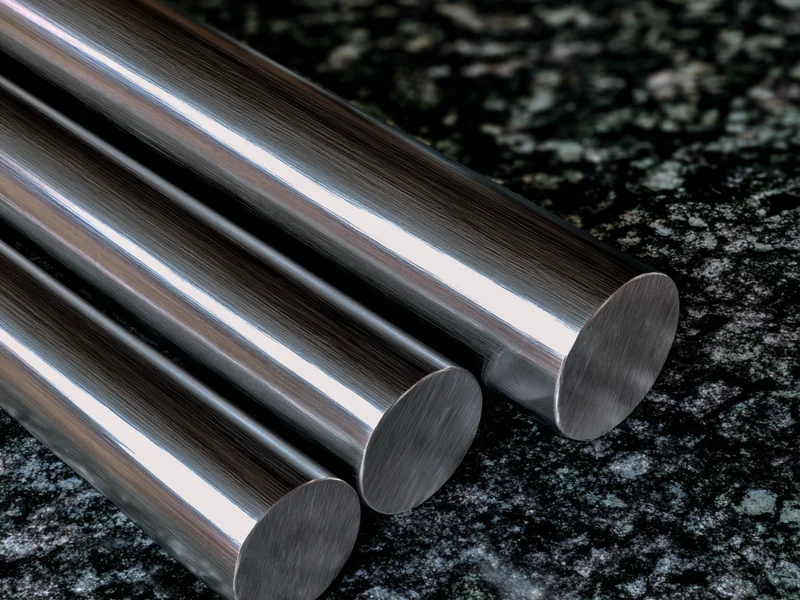
Molybdenum Class 14 (Mo/TZM) Sales in Mexico
Refractory Metal Faced Electrodes for precision welding of electrical contacts and electronic components. Available in pure molybdenum (Mo) and TZM alloy (Mo-Ti-Zr). Mirror surface finish via EDM machining.
Specifications per AWS J1.3 / ASTM B387 / Certified Metrology
ALCAVIL is a leading supplier of Molybdenum and TZM RWMA Class 14. Insert electrodes with mirror finish available. Permanent stock in Monterrey. Request quote →
Molybdenum Class 14: When to Use It
Molybdenum (RWMA Class 14) is a refractory metal with excellent machinability. Its main advantage over tungsten is that it allows a mirror surface finish, critical when welding should not leave marks on the component. It's primarily used for silver contacts, thin foils, and high-precision applications.
When NOT to Use Molybdenum (and What to Use Instead)
Molybdenum is more versatile and ductile than tungsten — "it bends rather than breaks".
❌ Don't use Molybdenum if:
- Wear is your main problem — if molybdenum doesn't last, tungsten is harder and has longer service life.
- You need resistance brazing — for resistance brazing use graphite, not molybdenum.
- Projection welding on steel — NOT for nuts/studs. Use Elkonite/CuW (Classes 10-12).
- Spot welding steel or galvanized — Class 14 is not for steel. Use copper alloys (Classes 1-3).
- Your client specifies tungsten — sometimes the specification comes from the factory client and must be followed.
✓ Use this instead:
- Tungsten (Class 13) — If wear is the problem. Harder, longer service life (when it doesn't break from brittleness).
- Graphite — For resistance brazing (high temperature without adhesion).
- Elkonite/CuW (Classes 10-12) — For nut projection on steel.
Quick rule: If your tungsten breaks or chips → try molybdenum (bends, doesn't shatter). If molybdenum wears out too fast → go back to tungsten.
📋 Plant Examples:
- "My tungsten keeps chipping/shattering" — Molybdenum is more "forgiving". It bends instead of breaking like glass. Ideal when the process applies forces tungsten can't tolerate.
- "I need mirror finish on the electrode" — Molybdenum allows finishes and tolerances that are very difficult or risky to machine with tungsten.
- "Welding silver contacts/thin foils" — Classic Class 14 application. If you need precision without visible marks, molybdenum is the choice.
- "Molybdenum doesn't last long enough" — Then tungsten (Class 13) is a better option. It's harder and lasts longer... when it doesn't break from brittleness.
⚡ 30-Second Checklist:
- ☐ Is your tungsten breaking or chipping? → Try molybdenum
- ☐ Need mirror surface finish? → Molybdenum is better
- ☐ Is molybdenum wearing out too fast? → Go back to tungsten
- ☐ Extreme hot working? → TZM (Mo alloy)
- ☐ Client specifies tungsten? → Follow the specification
Tungsten or molybdenum? Let's discuss your application — we'll help you choose the right material based on your process and the issues you're seeing.
Our Plant Experience
- Molybdenum is more "forgiving": Tungsten is harder but also more brittle (like glass) - it chips and can break under certain types of force. Molybdenum handles those processes better.
- Better machinability: Molybdenum allows achieving finishes and tolerances that are more difficult with tungsten. Tungsten can be machined, but there's risk of it breaking.
- Tungsten lasts longer in theory: Due to its hardness, tungsten has longer service life... when it doesn't break. But we've seen processes where it fractures due to the type of force the machine uses.
- If molybdenum doesn't last: Switch to tungsten - it's harder and has longer service life. It's the solution when wear is the main problem.
- TZM for hot working: Similar to lanthanated tungsten (WLa), TZM has more heat resistance and allows greater hot working capacity.
Key point: Molybdenum and tungsten are for the same applications (contacts, terminals). The difference is that molybdenum is more machinable and forgiving, while tungsten is harder but brittle. Sometimes the specification comes from the factory client.
Available Molybdenum Variants
Pure Molybdenum (Mo)
99.95% Mo - ASTM B387 Type 361
Main Applications
- Electrical contact and terminal welding
- Insert electrodes for precision welding
- Thin sheet welding
- Applications requiring high thermal conductivity
TZM (Mo-Ti-Zr)
High performance alloy - ASTM B387 Type 364
Main Applications
- Intensive 24/7 production
- High temperature welding cycles
- Plastic injection molds
- High mechanical demand applications
Comparison: Pure Molybdenum vs TZM
| Property | Pure Mo | TZM |
|---|---|---|
| Composition | 99.95% Mo | Mo + 0.5% Ti + 0.08% Zr |
| Conductivity | 30% IACS | 30% IACS |
| Hardness | 85 HRB | 95-100 HRB |
| Melting Point | 2,623°C | 2,623°C |
| Recrystallization Temp. | 1,100°C | 1,400°C (+27%) |
| Mechanical Strength | Good | Superior |
| Relative Cost | Base | +15-20% |
| Recommended for | General use, precision | Intensive production, high temp. |
TZM Advantages over Pure Molybdenum
Higher Recrystallization Temperature
1,400°C vs 1,100°C for pure Mo. Maintains mechanical properties in intensive thermal cycles.
Higher Hardness
95-100 HRB vs 85 HRB. Better wear resistance in continuous production.
Superior Creep Resistance
Titanium and zirconium improve high-temperature deformation resistance.
Longer Service Life
Ideal for 24/7 production lines where electrode cannot be changed frequently.
Technical Documentation
Frequently Asked Questions about Molybdenum Electrodes
What is molybdenum electrode used for?
RWMA Class 14 molybdenum electrode (Refractory Metal Faced Electrode) is used as an insert electrode for welding electrical contacts, copper terminals, thin sheet welding and applications requiring high thermal conductivity without contaminating the base material. Its mirror finish ensures clean joints on silver contacts, connectors and high-precision components.
What is the difference between pure molybdenum and TZM?
Pure molybdenum (99.95% Mo) is ideal for general use and precision. TZM (Mo + 0.5% Ti + 0.08% Zr) has higher recrystallization temperature (1,400°C vs 1,100°C) and superior hardness (95-100 HRB vs 85 HRB), making it ideal for intensive 24/7 production and demanding thermal cycles.
When to use molybdenum instead of tungsten?
Molybdenum (Class 14) is preferred over tungsten (Class 13) when mirror surface finish is required, better machinability is needed, or welding delicate silver contacts where no marks should be left. Tungsten has higher density and melting point, but molybdenum offers better finish in electrical contact welding applications.
What standards apply to molybdenum electrodes?
Molybdenum electrodes are classified per AWS J1.3 as RWMA Class 14. Chemical composition and mechanical properties follow ASTM B387: Type 361 for pure molybdenum and Type 364 for TZM. ALCAVIL manufactures to these specifications with full traceability.
Manufacturer Equivalences — Molybdenum Class 14
Cross-reference of part numbers across manufacturers for RWMA Class 14 molybdenum (per RWMA Bulletin 16, Table 18.13).
| Manufacturer | Part Number |
|---|---|
| RWMA / AWS J1.3 | Class 14 (Molybdenum) |
| CMW | 100M |
| Centerline (CL) | CL-14 |
| Stillwater | T100M |
| Tuffaloy | T100M |
| Welform | CL-14 |
Source: RWMA Bulletin 16, Table 18.13 — Comparative Alloys. See full equivalence table →
Related Materials
ALCAVIL Manufacturing Capabilities
We manufacture molybdenum insert electrodes with mirror finish using precision technology. EDM machining for tight tolerances and certified metrology to ensure quality.
Need molybdenum or TZM insert electrodes for your application?
Request QuoteMolybdenum Insert Electrode Applications
Electronic Components
Precision welding of sensors, relays and microcomponents where mirror finish is critical.
Silver Contacts
AgNi, AgCdO contact welding in power switches and relays.
Thin Sheets
Copper/aluminum foil and sheet welding under 0.5mm thickness.
Intensive 24/7 Production
TZM for continuous production lines where electrode cannot be changed frequently.
High Temperature
Demanding thermal cycles where tungsten would recrystallize prematurely.
Morse Taper 1 and 2
Standard Morse taper electrodes for easy production changeover.